book review · The Rings of Saturn
The Rings of Saturn
2026-08-07 · 3 min read
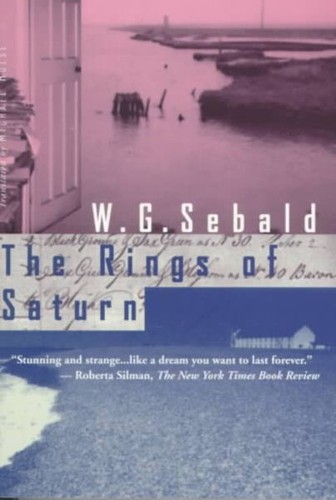
There’s a category of book I read slowly on purpose, the way I work a difficult specimen, one section at a time with breaks to just sit with what I’ve got, and The Rings of Saturn is the clearest example I own. Sebald sets out on a walk along the Suffolk coast and the book that comes out of it barely resembles a travelogue by the time you’re twenty pages in. It swirls and meanders between history and fiction until the line between them just evaporates, and somehow that dissolving never feels like a trick.
What actually happens on the page is stranger and better than “a man walks and thinks.” One stretch is genuinely, unexpectedly the best account I’ve read of the silk industry in Norwich, which sounds like nothing until you’re in it. Rembrandt’s Anatomy Lesson gets pulled in next to a matchstick model of the Temple of Jerusalem and the long, strange travels of Sir Thomas Browne’s skull, and the connective tissue between all of it is Sebald’s actual subject, the weight of human history sitting under an empty landscape most people walk across without noticing any of it. I noticed I was reading it the way I look at a taxidermy mount that’s been done right, where you stop seeing the individual seams and just see the thing standing there.
I understand the readers who bounce off this. It resists the two obvious shapes a travel book usually takes, a set path followed to its end, or a looser wander that still knows where it’s headed. Sebald wants something closer to memory itself, dead ends included, and if you came in wanting a straightforward walk through Southwold and Dunwich you might spend the whole book wondering why he keeps detouring into a Reichsmuseum you didn’t ask about.
I’d put this next to Borges more than next to any actual travel writer I’ve read, an intellectual who somehow makes his meditations feel physically walked rather than merely thought. Very few books earn the word achievement. This one does.