book review · The Ibis Trilogy
The Ibis Trilogy
2026-04-04 · 3 min read
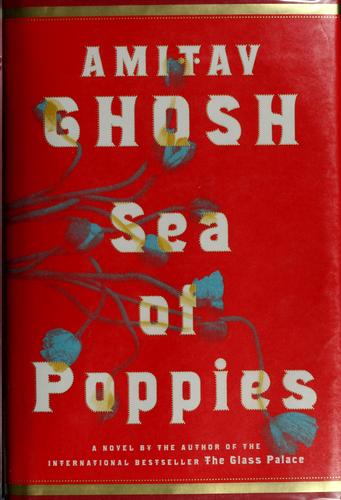
I came to Ghosh’s Ibis books through the same door most naturalists probably do, curious about the botanical trade at the center of it, and left having read a much bigger and stranger book than that entry point suggested. The trilogy follows the schooner Ibis and the scattered cast connected to it, indentured laborers, sailors, opium traders, minor colonial officials, across Sea of Poppies, River of Smoke, and Flood of Fire, from the poppy fields of Bihar to the Canton trading houses on the eve of the First Opium War.
The part that stuck with me most, and it’s a small thread against the trilogy’s much larger canvas, is the flower trade itself, the discovery and transport of orchids threading through the story of what looks on paper like an innocent horticultural obsession and turns out to be tangled up with the same colonial machinery moving opium and people across oceans. It’s a quiet way of making the point the whole trilogy is built on, that nothing in this world moved without empire’s fingerprints on it, and Ghosh trusts a reader to draw that line rather than stating it outright.
Where I’ll admit the books test my patience is the sheer scale of voice Ghosh is juggling. Pidgin, Bhojpuri-inflected English, ship’s lascar slang, colonial officialese, sometimes on the same page, and there are stretches, particularly the letter-writing sections that carry a good chunk of the plot forward, that read as genuinely rambling rather than deliberately layered. I don’t think that’s a flaw exactly, Ghosh is building something closer to a linguistic archive than a tidy novel, but it asks more patience of a reader than the trilogy’s adventure-plot marketing lets on.
This isn’t a trilogy I’d hand to someone looking for a fast read. It’s a trilogy I’d hand to someone who wants the nineteenth-century opium trade rendered at ground level, through the people who actually carried, sailed, and suffered under it, rather than through the treaties that ended it.