book review · The Body in Pain
The Body in Pain
2026-03-17 · 3 min read
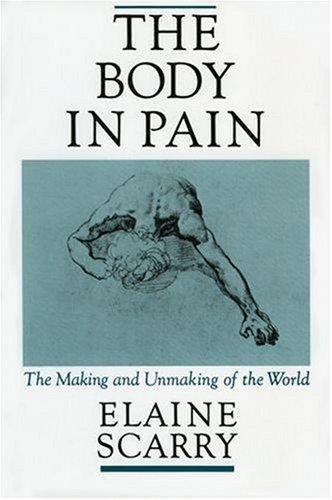
This one took me the better part of two months to get through, split into small sessions because that’s the only way it survives contact with a reader, and I say that as someone whose day job involves reading anatomy the way other people read novels. Scarry’s central claim is stark and, once you sit with it, obviously true: pain, unlike almost any other state of consciousness, has no referential content. It isn’t of or for anything the way fear is of something or love is for someone. That’s precisely why it resists language so completely, and why doctors are stuck relying on a patient’s own description of something the patient often can’t put into words at all.
The book splits roughly into a study of torture and war on one side and a study of making, creation, and the Judeo-Christian god on the other, and the connective argument between those halves is the real achievement here, that pain and the act of imagining a made object share a strange structural kinship, both of them existing at the edge of what language can hold onto. The chapters on torture specifically are the hardest reading in the book, clinical and unflinching about how states sanitize violence to make it emotionally bearable for everyone except the person experiencing it, and I’ll say plainly, you need a strong stomach for those chapters. They’re worth the discomfort.
I don’t think Scarry’s core claim, that pain is fundamentally indescribable in language, is airtight, and I don’t think she’d want a reader to just accept it either. But even where I pushed back mentally, the argument forced me to actually examine why I disagreed, which is more than most philosophy manages to do to me on a given page. This is dense in the specific way that rewards rereading a paragraph three times rather than skimming forward, philosophy that wants a slow reader more than a smart one.
Not a book I’d hand to someone looking for an easy evening. A book I’d hand to someone who wants their assumptions about suffering and language genuinely tested.