book review · Candide
Candide
2026-01-21 · 3 min read
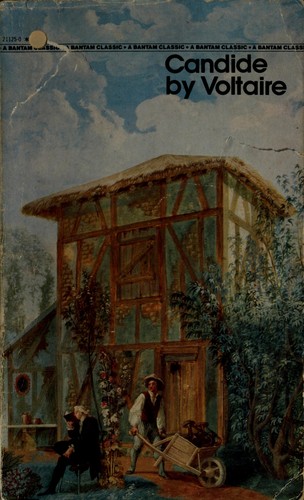
I picked Candide back up on a slow week between projects, expecting a museum piece, and got something closer to a punch. The setup everyone half-remembers from school is true, Pangloss insisting this is the best of all possible worlds no matter what horror lands on Candide next, but I didn’t fully appreciate until this reread how specific and personal Voltaire’s target actually was. The whole book is built as an attack on Leibniz, a real philosopher Voltaire seems to have genuinely despised, and reading it with that history in mind turns half the jokes from generic satire into something closer to a grudge match conducted in fiction.
The scene that’s stuck with me the longest, and I think it’s the one that proves this book still works, is the enslaved man in the sugar cane fields, missing a hand from the machinery and a leg from trying to run, who tells Candide plainly that this is the price paid so Europeans can have their sugar. It’s the darkest page in the book and also the one that ages the least, since it’s not hard to draw the same line to whatever’s assembling the objects on your own desk right now. Voltaire wasn’t writing comfort literature. He was writing something that laughs specifically so it doesn’t have to just sit there and grieve.
The pacing is relentless in a way that surprised me, one catastrophe after another with barely a breath, and I understand why some readers find the plot thin next to the ideas riding on top of it. That’s fair. This isn’t a book built around character depth. It’s built around watching naive optimism collide with real suffering over and over until the collision itself becomes the argument, and by the ending, when the famous “cultivate your garden” line finally lands, it earns its weight precisely because of how much absurd cruelty came before it.
Read it once for the history of the Leibniz feud if you’re curious. Read it a second time for how uncomfortably current the cruelty still feels. Both readings are worth doing.