game review · Cthulhu: Death May Die
Cthulhu: Death May Die
2025-12-01 · 3 min read
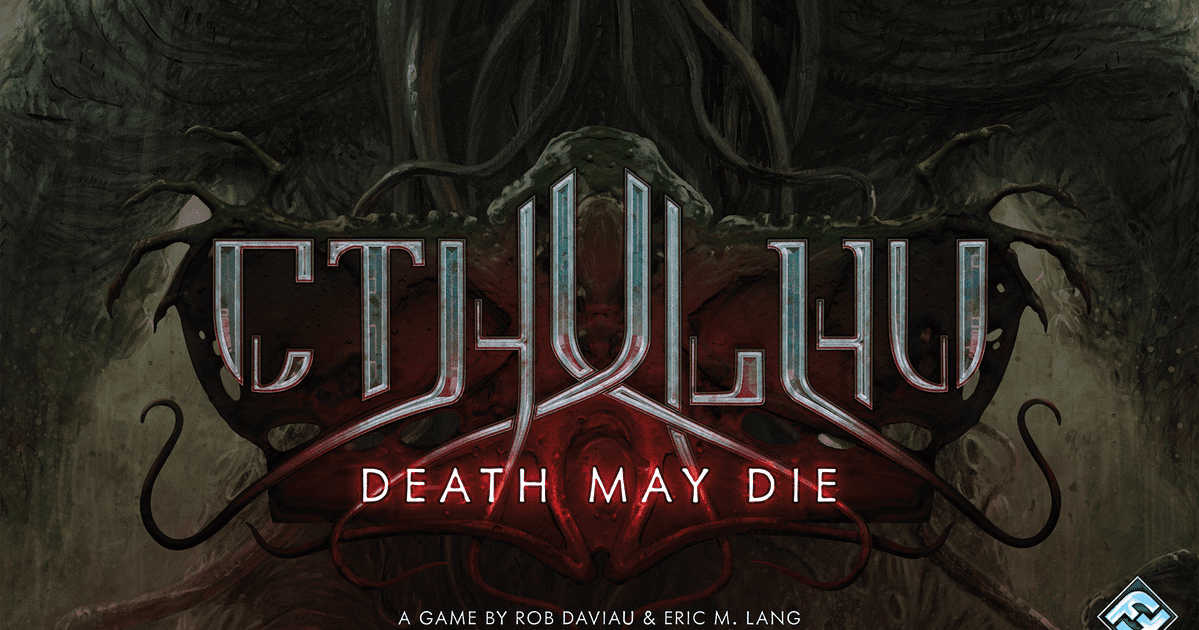
Most dungeon crawlers lose me somewhere around hour two of setup, and I say that as someone whose actual job involves methodical, unglamorous prep work I don’t mind doing. Cthulhu: Death May Die is the rare crawler I’d call the exception, simple ruleset, action-forward turns, and a runtime that doesn’t overstay its welcome the way this genre usually does. One review put it better than I would have: it might be the dungeon crawler for people who dislike dungeon crawlers, and having tried a stack of them myself, that tracks.
The insanity track is the actual design idea worth talking about. Your investigators start unstable instead of slowly breaking, and the game hands you a genuine tension between staying sane and unlocking the more powerful abilities that come with going a little further round the bend. Load up on insanity and weapons at the same time and you start to feel dangerous in a way that’s satisfying in the moment even though you know it’s setting up a worse ending. That’s a smarter piece of theme-mechanics integration than the minis-and-monsters marketing suggests.
The downtime between turns is short, which matters more to me than almost any other stat on a co-op box, and the box itself has built-in storage that actually holds the minis without a foam insert falling apart after six months, which I notice more than I probably should given how much of my own work involves keeping delicate things organized and not crushed. Where I’ll agree with the skeptics: the end-of-round upkeep drags a little as the season expansions pile on more tokens to track, and if you’re chasing every box CMON has put out, the cost adds up fast for content that’s mostly more of the same structure with new skins.
Still, for a horror co-op that doesn’t demand a rules-lawyer at the table and gives you a real story every time you play, minis and mythos both pulling their weight, this earns its spot. Just decide up front whether you’re a one-box household or an everything household, because the price gap between those two is real.